

NEWS
Solar photovoltaic water pump system (photovoltaic water pumping system) structure
Time of issue:
2022-03-14 14:17
Views:
37
The solar photovoltaic water pump system (photovoltaic water pumping system) is mainly composed of three parts: solar panel, solar photovoltaic pump inverter and water pump.
Solar panels: solar energy collection and photoelectric conversion devices
Solar PV Pump Inverter/Controller: Converts electricity generated by solar panels to drive the pump; controls and adjusts the pump system to maximize power
Water pump: conveying liquid
Other parts:
Mounting Components: Placing and Fixing Solar Panels
Combiner box: integrates solar panel input and protects components
Outdoor installation box: IP54 grade, convenient for outdoor installation
Other news
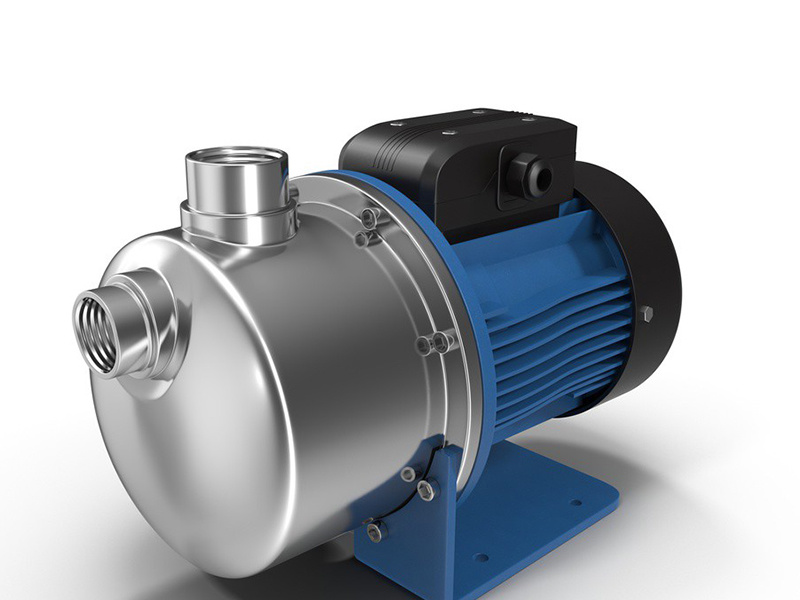
Self-priming pump or booster pump for solar water supply?
Self-priming pumps generally pump water directly from reservoirs or wells to pipelines and then transport them The booster pump is used when the water pressure is too low, and the water flow is very small when the water is fed or discharged.
What is a solar water pump and how it works
Solar water pumps are a cost-effective solution for delivering water to inconvenient or budget-friendly locations. Solar water pumps are used in residential and commercial applications. They are a clean alternative to fossil fuel powered windmills and generators.
How long is the lifespan of solar energy?
The lifetime of solar energy is about 10 years. 1. Since the service life of the heater is ten years, if it exceeds ten years, the safety will be reduced, and there is a high possibility of being electrocuted.
Features of solar photovoltaic water pump system
1. The photovoltaic power generation system is fully automatic and does not require manual duty; the photovoltaic pumping system is composed of solar cell arrays, pumping inverters and water pumps, eliminating the need for energy storage devices such as batteries, replacing electricity storage with water storage, and directly driving the pump to pump water. , high reliability, while greatly reducing the construction and maintenance costs of the system.
Product consultation:
Contact email:
Address:
Lianshu Village, Zeguo Town, Wenling City, Taizhou, Zhejiang Province, China